Telephone System (IP & Analogue)
Complete telephony solution supporting IP and analogue communication, call routing, extensions, and unified connectivity.
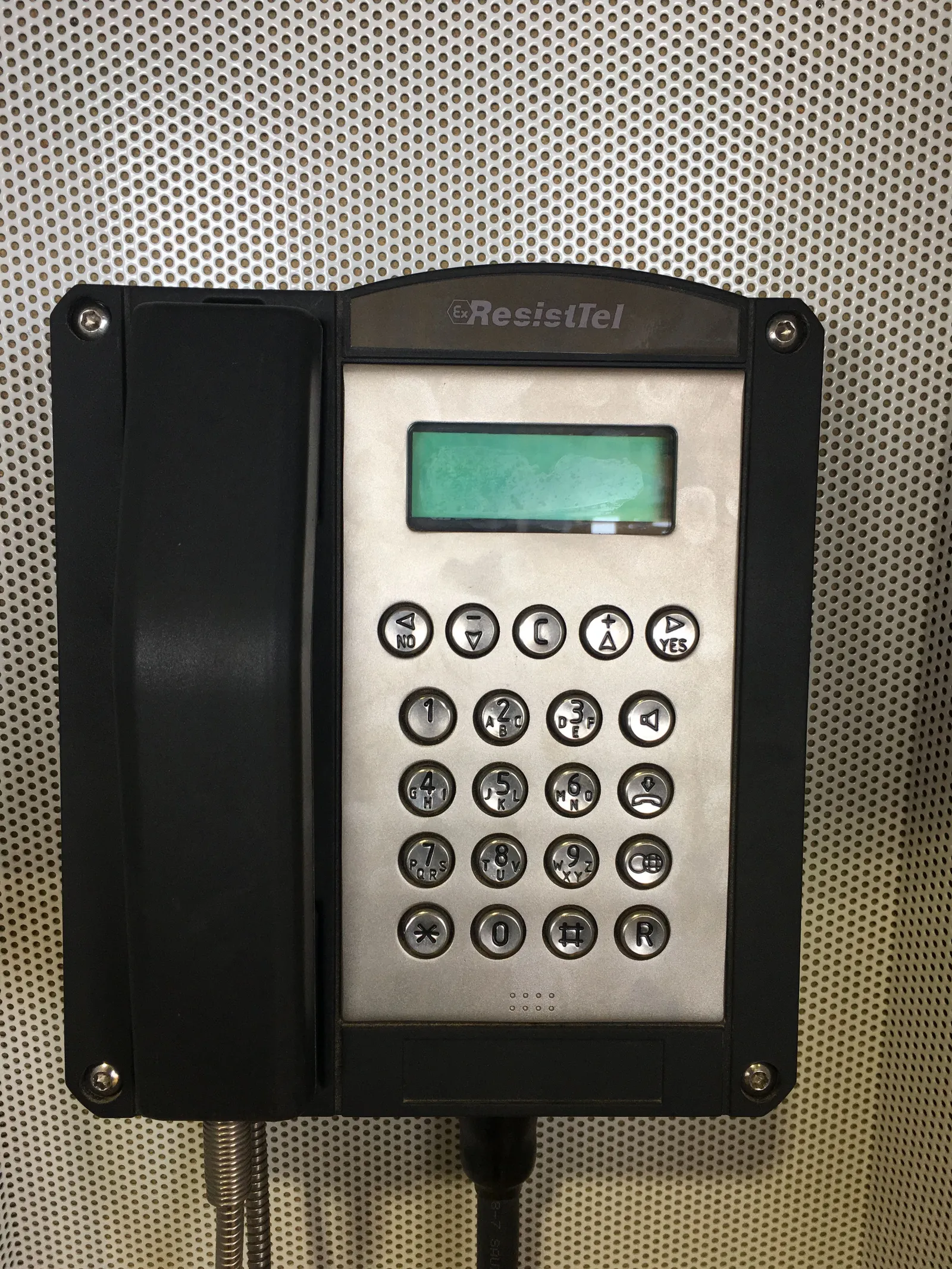
Overview
Complete telephony solution supporting IP and analogue communication, call routing, extensions, and unified connectivity.
Key Features
IP telephony and analogue extension support
Call routing, forwarding, and voicemail
Intercom and internal communication
Integration with unified communication platforms
Applications
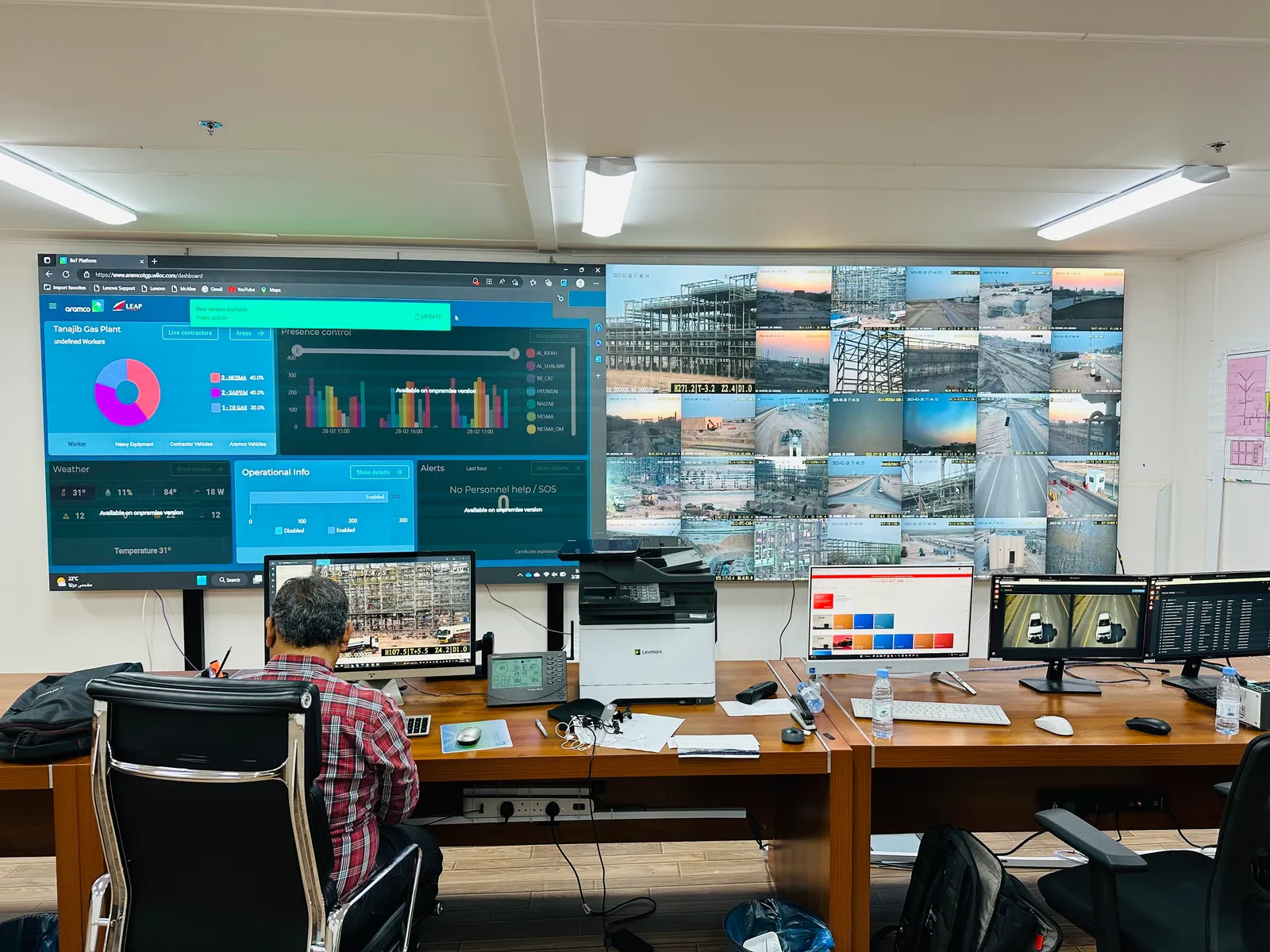
OfficesIndustrial facilitiesControl roomsRemote project sites
Frequently Asked Questions
- What is VoIP?
- VoIP (Voice over Internet Protocol) carries telephone calls as data over an IP network rather than over traditional analogue or ISDN phone lines. Modern VoIP platforms combine voice, video, messaging and presence into a single system that works across offices, remote sites and mobile users.
- What does the UK PSTN switch-off mean for my business?
- Openreach is retiring the analogue PSTN and ISDN network, so any service still depending on those lines must move to an IP-based alternative. This affects far more than desk phones — alarm signalling, lift emergency telephones, door entry systems and legacy links to remote plant all commonly run over analogue lines.
- Will our fire alarm and lift lines still work after migration?
- Only if they are specifically migrated. These are the lines most often overlooked, because they are rarely used until they are needed. The first step in any migration is a full line audit establishing what every analogue line does and what depends on it, then testing each signalling path explicitly after cutover.
- What internet connection do we need for good call quality?
- Poor VoIP quality is almost always a network problem rather than a phone system problem. Voice needs sufficient and ideally symmetric bandwidth, consistent low latency, minimal jitter, and Quality of Service marking so voice is prioritised over bulk data across every link including the WAN.
- Is VoIP secure?
- It can be, but security must be designed in. Signalling and media should be encrypted using TLS and SRTP, session border controllers should enforce policy at the network edge, and voice traffic should sit on its own VLAN. Toll fraud, where a compromised system places expensive international calls, remains a common and costly risk.
- Can VoIP integrate with two-way radio and PA systems?
- Yes. On industrial sites this is often the main benefit of moving to IP. Radio over IP links two-way radio networks with the telephone system so a control room operator can reach field teams from one console, and integration with PAGA allows announcements to be initiated from an authorised handset.