Intrusion Detection System
Perimeter and facility protection using sensors and alarms to detect unauthorized access and trigger instant notifications.
Overview
Perimeter and facility protection using sensors and alarms to detect unauthorized access and trigger instant notifications.
Key Features
Perimeter breach detection and alarms
Zone-based sensor monitoring
Real-time alerts to security teams
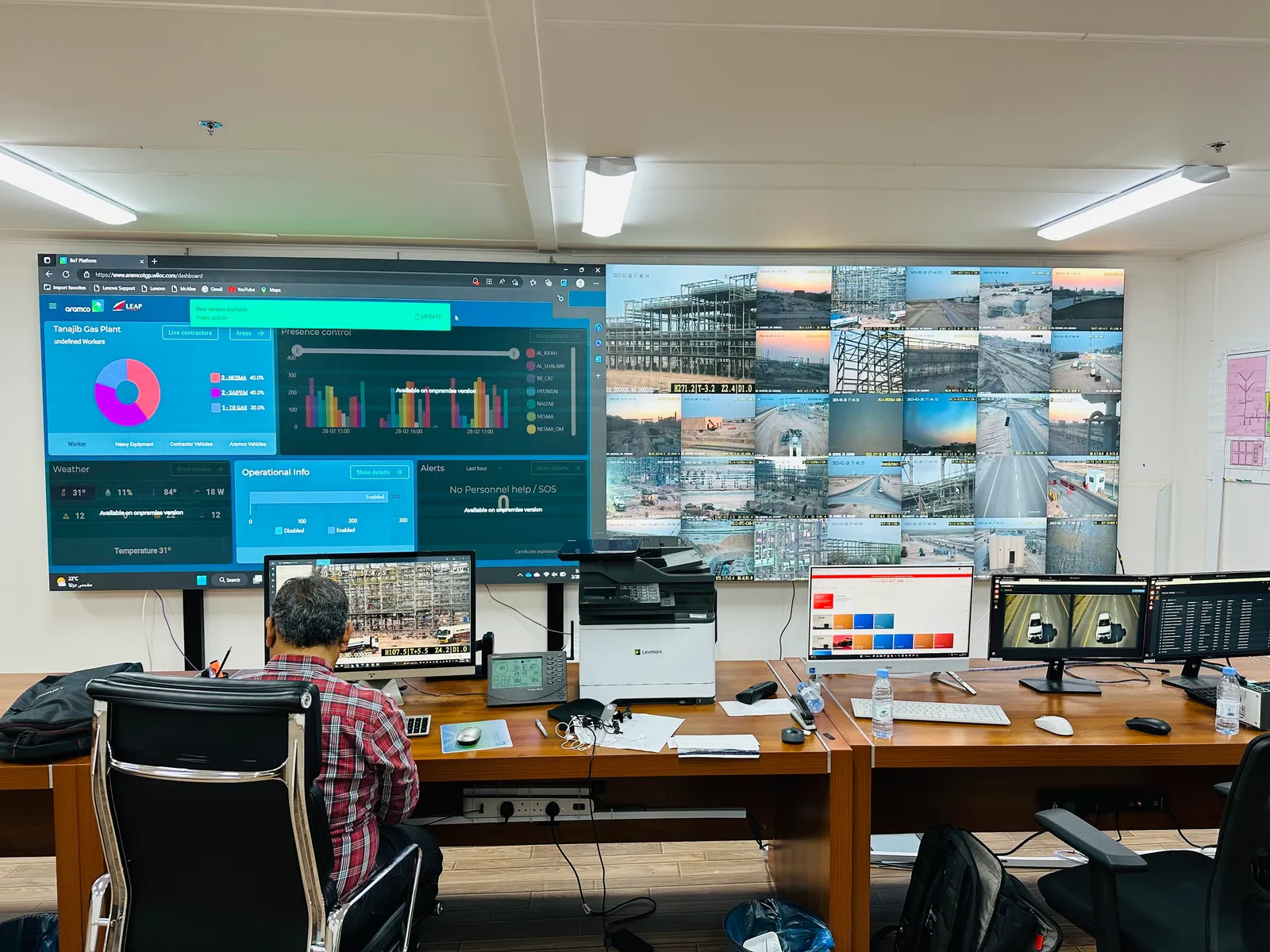
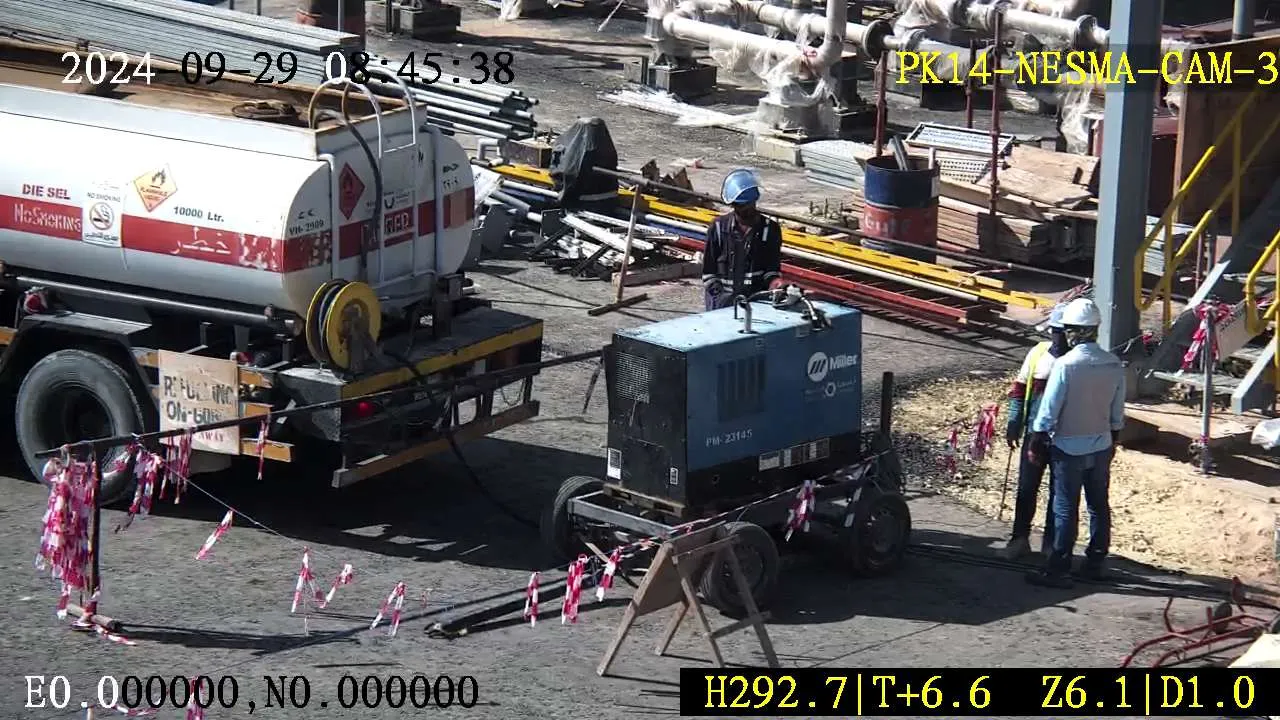
Integration with CCTV and control rooms
Applications
High-security sitesWarehousesIndustrial facilitiesPerimeter protection
Frequently Asked Questions
- What is a perimeter security detection system?
- A perimeter security detection system detects an intrusion attempt at a site boundary and raises an alarm before the intruder reaches critical assets. It combines sensing technology, assessment via CCTV, and a response procedure. Its purpose is to buy the time a response needs, not to physically stop an intruder.
- Which detection technology is right for my site?
- It depends on perimeter length, terrain, weather exposure and how the boundary is constructed. Fence-mounted detection suits well-maintained fence lines; buried cable and fibre sensing suit covert or very long boundaries; radar and microwave suit open, level ground. Most serious perimeters layer two complementary technologies.
- How do you reduce false and nuisance alarms?
- Nuisance alarms usually come from wind, vegetation, wildlife and poorly tensioned fencing. They are reduced by remediating the fence line, controlling vegetation, layering sensors so each can be tuned less aggressively, and adding video analytics to classify targets. A system that alarms constantly gets ignored, which makes it useless.
- Can it integrate with our existing CCTV and access control?
- Yes, and it should. Every detection zone should map to a camera preset so operators see the alarm location immediately. Access control integration allows the system to distinguish an authorised gate opening from a genuine breach at the same point, and all alarms should reach operators through one interface.
- Does perimeter detection work in poor weather?
- Performance varies by technology. Ground surveillance radar works in darkness, fog and heavy rain. Infrared beams are vulnerable to fog and heavy precipitation, and microwave barriers need careful ground preparation. This is a key reason to layer technologies with different failure modes rather than relying on one.
- What should we assess before specifying a system?
- Survey perimeter length and terrain, prevailing weather, local wildlife and vegetation growth, available power and network along the boundary, hazardous area classification where the perimeter passes process areas, and your response time. The delay your physical barrier provides must exceed the time a response takes to arrive.