EWS (Early Warning System)
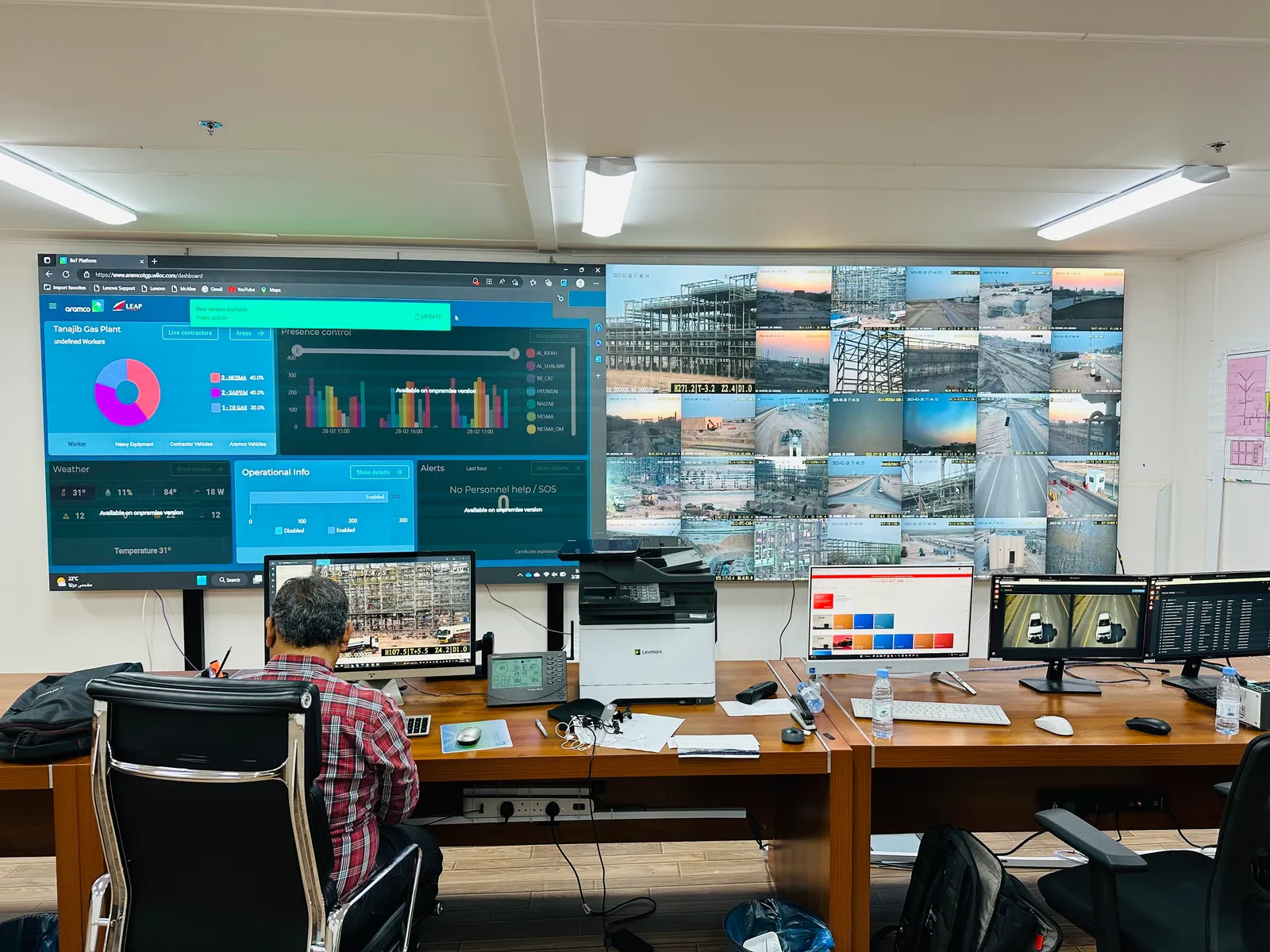
Automated risk detection and escalation with configurable alert thresholds.

Overview
Automated risk detection and escalation with configurable alert thresholds.
Key Features
Automated risk detection and escalation
Configurable alert thresholds
Multi-channel notifications
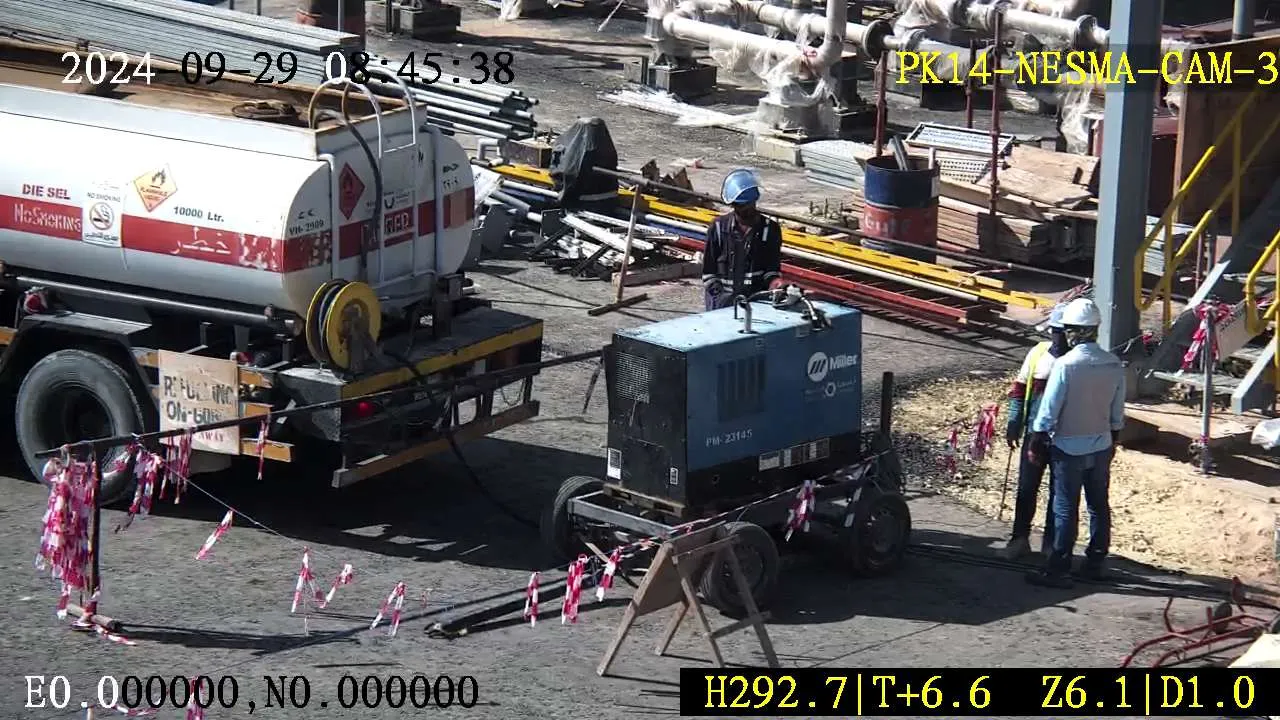
Integration with site monitoring systems
Applications
Oil & GasConstructionRemote operationsHigh-risk industrial sites
Frequently Asked Questions
- What is an industrial emergency alert system?
- An industrial emergency alert system is an engineered chain of detection inputs, decision logic and notification devices that warns people on a hazardous site to evacuate, shelter in place or muster. It must stay intelligible over heavy plant noise, keep working during the incident itself, and operate safely in potentially explosive atmospheres.
- How is it different from a standard fire alarm?
- A fire alarm answers one question: should the building be evacuated? An industrial site must convey what is wrong and what action to take. A gas release may require people to move upwind rather than to the nearest exit, and a security incident may require lockdown — the opposite of evacuation.
- Which standards apply to emergency alerting?
- The standards that most often shape an industrial design are ISO 7240-19 and IEC 60849 for emergency sound systems and intelligibility, the EN 54 series for fire detection and alarm components, ATEX and IECEx for explosive atmospheres, and IEC 61508 and IEC 61511 where alerting forms part of a safety instrumented function.
- Can the system work in hazardous or explosive atmospheres?
- Yes. Where a flammable atmosphere may be present, notification devices must be certified for the relevant zone under ATEX or IECEx. This changes enclosure design, cable glanding, surface temperature limits and maintenance procedure, but not the underlying design logic. Area classification should be confirmed before equipment is selected.
- How much battery backup does an emergency alert system need?
- Autonomy should cover the full duration of a credible incident plus a safety margin, not just a brief outage. Undersized battery capacity is a common design fault, because it causes the system to fail during exactly the extended emergency it exists to manage. Requirements are set by site risk assessment and applicable standards.
- Can it integrate with our existing fire, gas and PA systems?
- Yes. Emergency alerting works best as one integrated system rather than separate packages. We routinely integrate fire and gas detection, PAGA voice alarm, sirens, beacons and control logic, and connect them to CCTV, access control and SCADA so operators work from a single interface during an incident.